Shenzhen Xingtong IOT Technology Co., Ltd.
Barcode Scanner Manufacturer with development & Invention ability

What Is Damaged Code Reading Capability?
Damaged code reading capability refers to whether a scanning module can reliably read barcodes that are wrinkled, smudged, low-contrast, or poorly printed. This capability is critical for industrial environments where packaging wear, manufacturing conditions, or handling damage can compromise barcode quality and lead to scanning failures .
Barcodes may become unreadable due to:
Physical damage – scratches, tears, or wrinkles on labels
Contamination – dirt, oil, or moisture covering the code
Poor printing quality – low contrast, ink bleeding, or printer resolution issues
Surface reflections – glare from glossy packaging or curved surfaces
Partial obstruction – labels partially covered by tape or packaging materials
XTIOT Products with Superior Damaged Code Reading
XTIOT offers a comprehensive range of scanners engineered with advanced decoding algorithms and high-performance sensors to reliably read imperfect barcodes across various applications.

XT8601B Industrial Batch Scanner
The XT8601B is specifically designed for demanding industrial environments where barcode quality cannot be guaranteed:
Built-in deep learning AI with adaptive filtering algorithms that dynamically adjust exposure parameters and decoding strategies
Reads damaged, low-contrast, or reflective codes on challenging surfaces
99.7% recognition accuracy even against reflective metal, dark backgrounds, or high-speed moving objects
IP65 protection withstands dust, oil, and complex lighting conditions in manufacturing environments
Reads up to 100 Data Matrix codes in a single scan, even if some codes are partially damaged
Perfect for:
| Application | Challenge | Solution |
|---|---|---|
| Automotive parts manufacturing | DPM codes on metal surfaces may be scratched or low-contrast | XT8601B decodes damaged direct part marking codes reliably |
| Pharmaceutical packaging | Labels may become wrinkled or smudged during high-speed filling | Reads batch numbers and expiry dates even on compromised labels |
| PCB assembly lines | Tiny codes on circuit boards may be partially obscured | High-resolution sensor captures complete code data despite damage |
| Warehouse logistics | Shipping labels often get scratched or dirty during transit | Batch scanning reads up to 100 damaged codes per trigger |
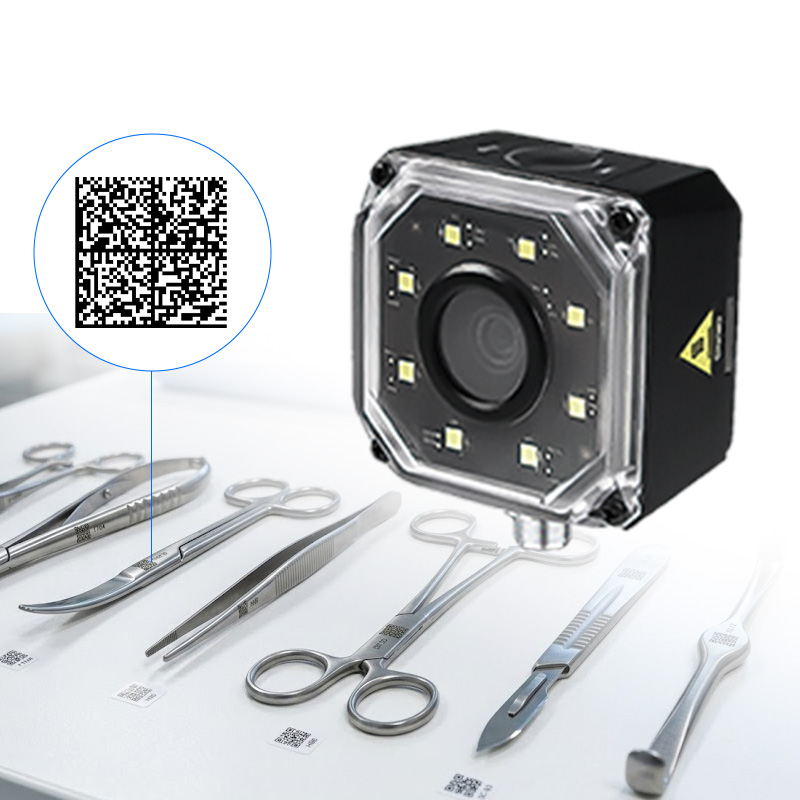
XT8161 High-Resolution DPM Scanner
The XT8161 is optimized for reading direct part marking (DPM) codes that may be partially damaged on metal, glass, or plastic surfaces:
1.6MP high-resolution sensor captures fine details even on etched or dot-peened codes
Automatic software focus adapts to different surface textures and curvatures
Reads laser-etched, dot-peened, and perforated codes that may have low contrast or partial damage
IP67 aluminum alloy housing withstands harsh industrial environments
Perfect for:
Medical device UDI compliance – reads partially worn codes on surgical instruments
Aerospace component tracking – decodes damaged etchings on metal parts
Electronics manufacturing – reads DPM codes on components even if surface is scratched
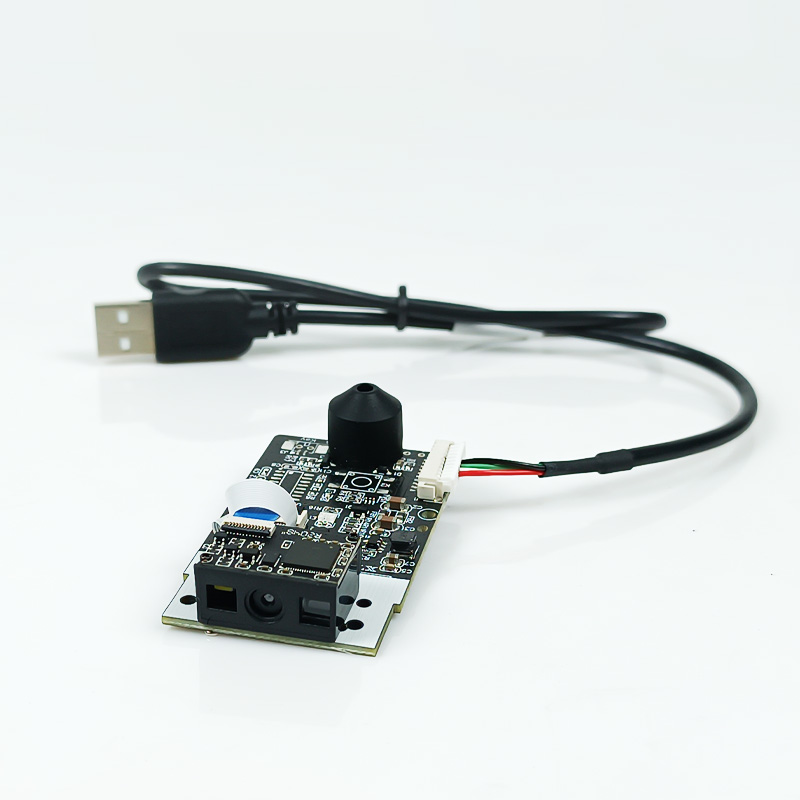
XT6603BM Embedded Scanner Module
The XT6603BM compact module features strong anti-interference performance specifically designed to handle challenging barcode conditions :
640×480 CMOS sensor with 200 scans/sec speed
Effectively handles damaged, blurred, or partially blocked barcodes
Ensures high recognition success rate even with compromised code quality
Ultra-compact size (21.3×15.5×11.6mm) for easy integration into space-constrained devices
Perfect for:
Vending machines – reads crumpled receipts or worn product packaging
KIOSK terminals – handles poorly printed tickets or faded labels
Access control systems – reads damaged membership cards or QR codes
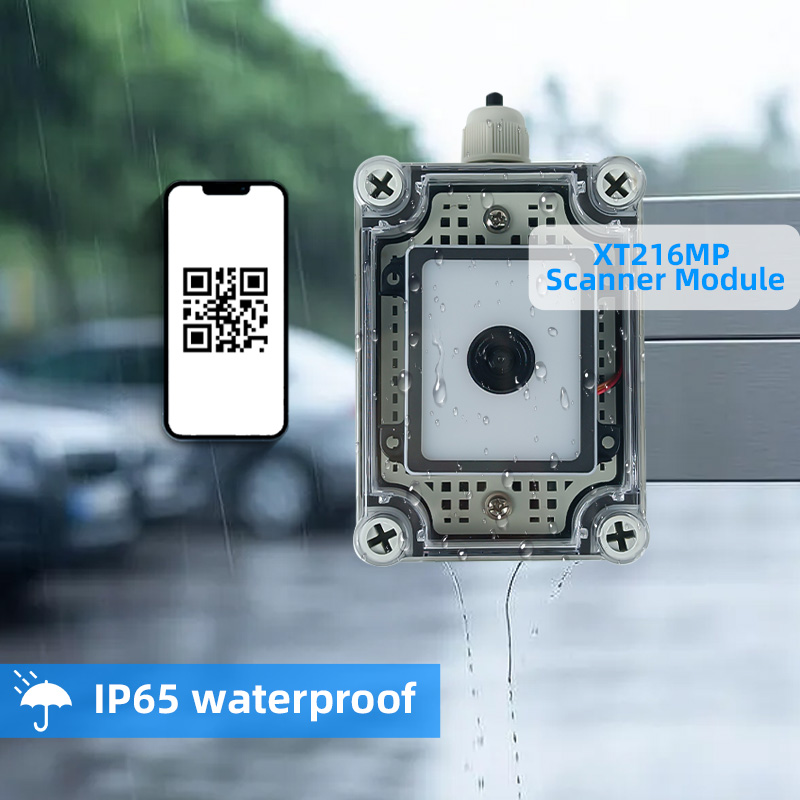
XT216MP Waterproof Scanner Module
The XT216MP combines rugged durability with high-accuracy reading even in low light or poor barcode quality conditions :
1280×800 high-resolution sensor captures detailed images of damaged codes
≥5mil accuracy ensures precise decoding of small or compromised barcodes
Contrast ratio ≥20% enables reading of low-contrast or faded codes
IP-rated waterproof design for outdoor and harsh environments
Perfect for:
Outdoor self-service terminals – reads weathered labels in all weather conditions
Parking payment systems – handles faded parking tickets or scratched QR codes
Industrial outdoor equipment – decodes damaged labels in exposed environments
XTIOT Barcode Scanning KIOSKS
XTIOT's self-service kiosks are equipped with high-performance scanners featuring automatic error correction capabilities :
High sensitivity and fast decoding specifically for challenging barcodes
Automatic error correction handles blurred, damaged, or low-quality codes
Ensures accuracy and reliability in customer-facing applications
Industrial-grade design for stable long-term operation
Perfect for:
Retail price checkers – reads wrinkled or worn product packaging
Self-checkout systems – handles damaged labels on returned items
Information kiosks – scans faded tickets or weathered QR codes
Critical Applications Requiring Damaged Code Reading
| Industry | Application | Barcode Challenges | XTIOT Solution |
|---|---|---|---|
| Automotive Manufacturing | Parts traceability on production line | DPM codes may be scratched or low-contrast on metal | XT8601B with deep learning AI |
| Pharmaceutical | Drug serialization and batch tracking | Labels may wrinkle or smudge during high-speed filling | XT8601B with 99.7% accuracy |
| Logistics & Warehousing | Pallet and package scanning | Shipping labels often scratched or dirty | Batch scanning reads multiple damaged codes |
| Medical Devices | UDI compliance for surgical instruments | Etched codes may wear over time | XT8161 with 1.6MP sensor |
| Retail | Price verification at self-checkout | Product packaging often wrinkled or worn | XT6603BM with anti-interference |
| Outdoor KIOSKS | Ticket validation in all weather | Printed codes fade or get wet | XT216MP with IP-rated durability |
| Parking Systems | Entry/exit ticket scanning | Tickets may be crumpled or faded | XT216MP with high-contrast reading |
How XTIOT Technology Overcomes Damaged Code Challenges
Deep Learning AI Algorithms
XTIOT's advanced scanners incorporate adaptive filtering algorithms and deep learning models that dynamically adjust exposure parameters and decoding strategies based on the specific damage pattern . This enables reliable reading of codes that would be unreadable by standard scanners.
High-Resolution Sensors
With sensors ranging from 640×480 to 1.6MP resolution, XTIOT scanners capture fine details of damaged codes, allowing the decoding engine to reconstruct missing information .
Error Correction Capabilities
XTIOT scanners leverage the Reed-Solomon error correction inherent in Data Matrix codes, which can correctly read information even when the barcode is partially damaged . The scanners are optimized to maximize this error correction potential.
Multi-Format Support
XTIOT scanners support all major 1D and 2D formats including QR Code, Data Matrix, PDF417, and Aztec codes, each with different error correction characteristics . This ensures the right technology is applied for each code type.
Common Causes of Barcode Scanning Failure and XTIOT Solutions
| Failure Cause | Description | XTIOT Solution |
|---|---|---|
| Poor barcode quality | Barcode too small, blurred, damaged, or not wiped clean | High-resolution sensors capture fine details even on damaged codes |
| Low contrast | Bars and spaces contrast too low for standard readers | Advanced imaging handles contrast ratios down to ≥20% |
| Surface reflection | Glossy packaging or direct sunlight creates glare | Intelligent dimming system adjusts for reflective surfaces |
| Partial damage | Code scratched, torn, or partially obscured | Error correction algorithms reconstruct missing information |
| Environmental interference | Dust, oil, or moisture on barcode surface | IP65/67 rated scanners operate in harsh conditions |
Why Damaged Code Reading Capability Matters
In real-world industrial and commercial environments, barcodes are rarely perfect. Manufacturing processes, handling, shipping, and environmental exposure all degrade code quality. Without reliable damaged code reading, businesses face:
Production line stoppages – manual intervention required for unreadable codes
Shipping errors – incorrect items sent when codes can't be verified
Traceability gaps – lost data in serialization and compliance systems
Customer frustration – failed scans at self-checkout or kiosks
Increased labor costs – staff time spent manually entering codes
XTIOT scanners deliver this capability with advanced optics, powerful decoding algorithms, and industrial-grade durability that ensure reliable reading even when barcodes are damaged, dirty, or poorly printed .
Ensure your scanning system can read every code, even when damaged. Contact XTIOT today for solutions tailored to your challenging environment.


