Shenzhen Xingtong IOT Technology Co., Ltd.
Barcode Scanner Manufacturer with development & Invention ability

What Is Decoding Precision?
Decoding precision refers to the minimum barcode resolution an industrial scanner supports – such as reading Data Matrix codes as small as 2mm or 3mm. This capability determines whether the scanner can successfully read tiny electronic component labels, medical device UDI marks, or high-density printed barcodes in space-constrained applications.
XTIOT Products Designed for High-Precision Decoding
XTIOT offers a range of industrial scanners engineered specifically for applications requiring exceptional decoding precision:
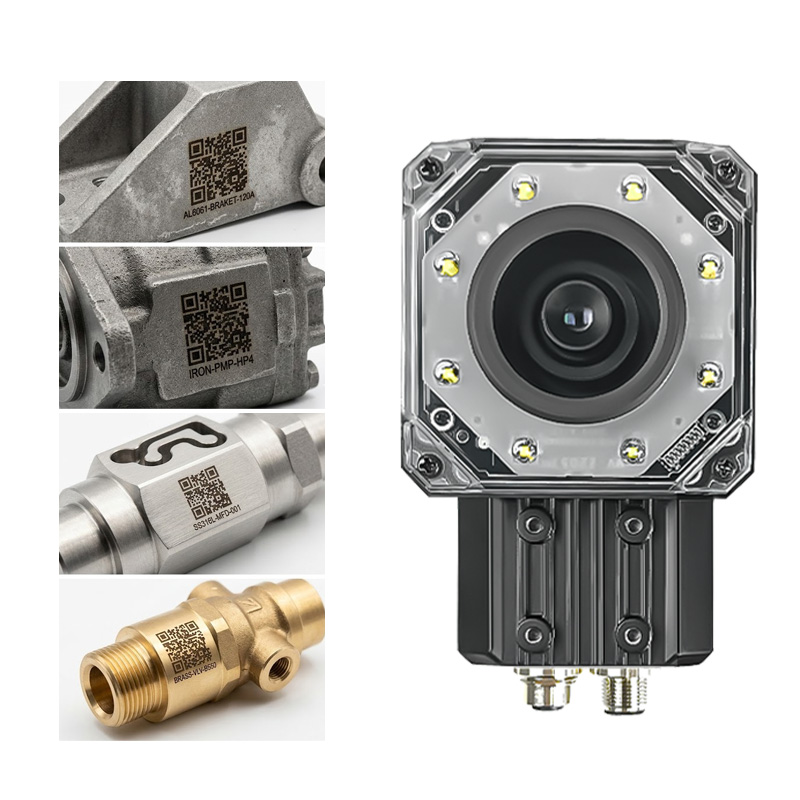
XT8601B Industrial Batch Scanner
The XT8601B features a 6MP high-resolution image sensor capable of reading densely packed Data Matrix codes down to extremely small sizes. Even in extreme scenarios with a barcode density of 5 codes per square centimeter, the device maintains a recognition accuracy of 99.7%. Built-in deep learning AI dynamically adjusts exposure parameters and decoding strategies to read damaged, low-contrast, or reflective codes common on electronic components and medical devices.
Perfect for:
PCB board serial number tracking – reads micro QR and Data Matrix codes on circuit boards
Semiconductor component identification – captures tiny wafer codes and chip markings
Automotive parts traceability – decodes DPM marks on metal surfaces as small as 2mm
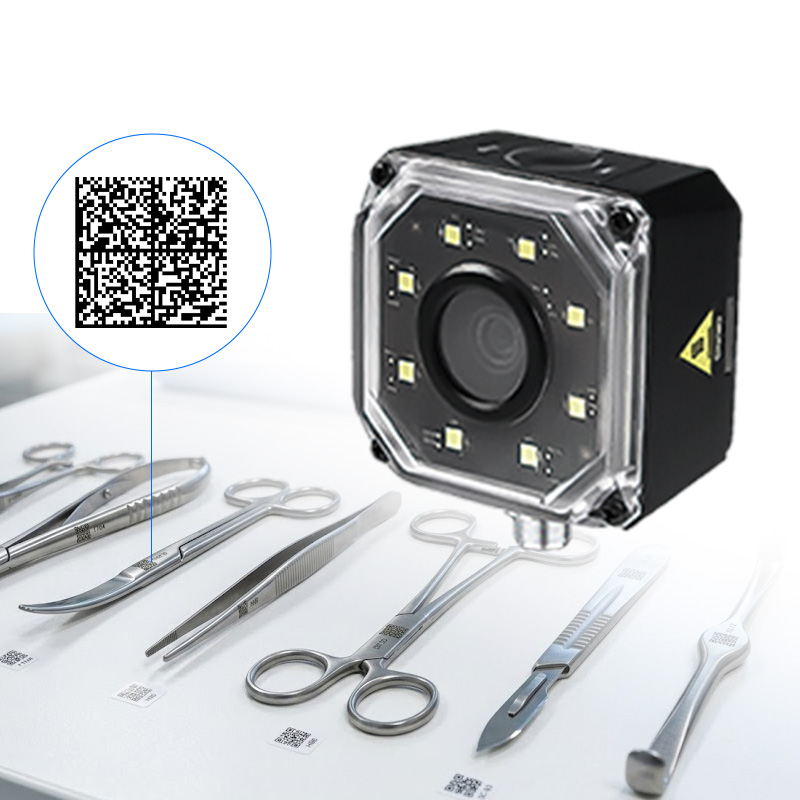
XT8161 High-Resolution DPM Scanner
The XT8161 is equipped with a 1.6MP sensor and automatic software focus specifically designed for reading high-density Data Matrix codes on challenging surfaces. Its advanced optics excel at capturing laser-etched, dot-peened, and inkjet codes as small as 3mil on metal, glass, and curved medical devices.
Perfect for:
Medical device UDI compliance – reads tiny UDI codes on surgical instruments and implants
Electronics manufacturing – captures Data Matrix codes on microchips and tiny components
Precision instrument tracking – decodes high-density codes on laboratory equipment
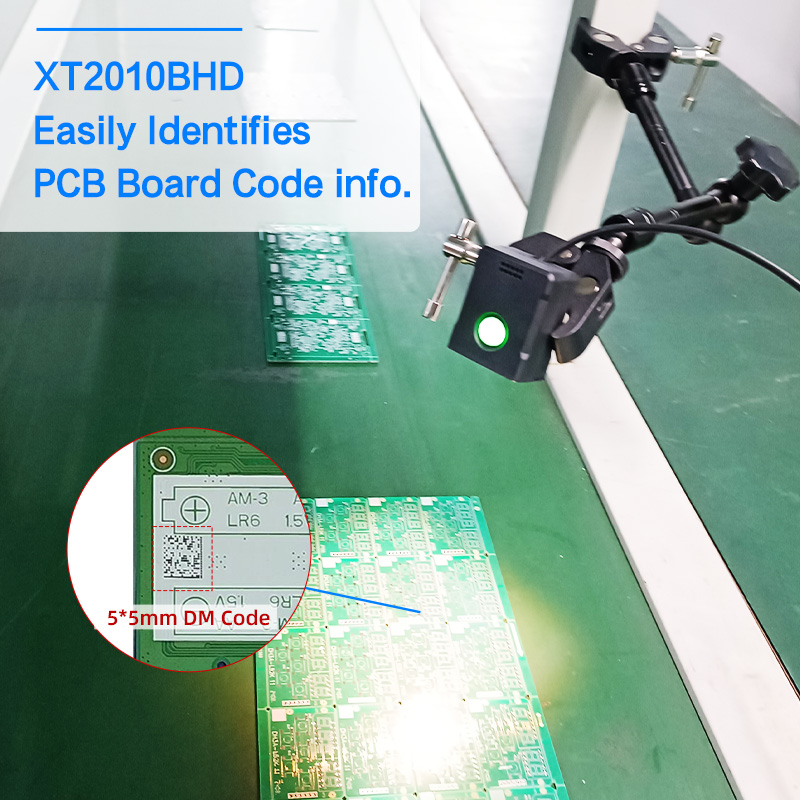
XT2010BHD Embedded Scanner Module
The XT2010BHD embedded module achieves an accuracy rating of ≥3mil, making it ideal for integration into devices that need to read small-format Data Matrix codes. With its 1280×800 CMOS sensor and 300 scans/sec speed, it delivers reliable decoding of high-density barcodes in space-constrained applications.
Perfect for:
Medical diagnostic equipment – reads patient sample codes and reagent tracking
Laboratory automation – captures tiny Data Matrix codes on test tubes and slides
Pharmaceutical production – verifies small-format codes on blister packs and vials
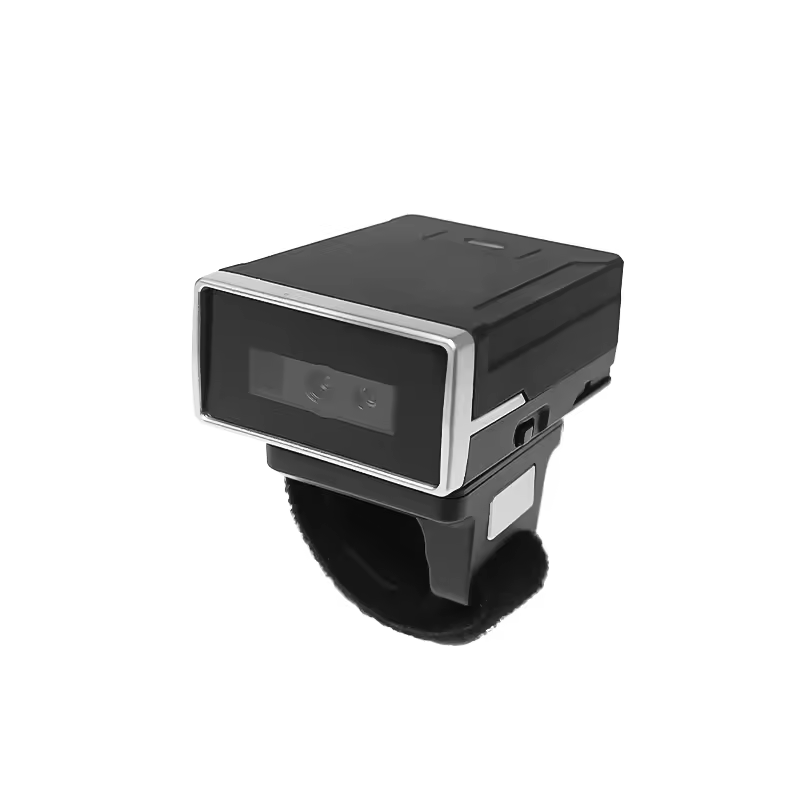
XT3001BHD Ring Scanner
The XT3001BHD wearable ring scanner features a 640×480 global shutter image sensor with ≥3mil resolution capability. Its hands-free design allows operators to quickly scan small Data Matrix codes while managing inventory or performing quality checks.
Perfect for:
Warehouse picking – scans small component labels on high-density shelving
Production line quality control – verifies tiny codes on assembled products
Inventory counting – captures high-density barcodes on small parts bins
Critical Applications Requiring High Decoding Precision
| Application | Challenge | XTIOT Solution |
|---|---|---|
| PCB Manufacturing | Micro QR codes as small as 1×1mm on circuit boards | XT8601B with 6MP sensor and deep learning AI |
| Medical Device Traceability | UDI Data Matrix codes on surgical instruments | XT8161 with 1.6MP sensor and DPM optimization |
| Semiconductor Component Tracking | Laser-etched codes on tiny chips | XT8601B with 99.7% accuracy at high density |
| Pharmaceutical Vials | Curved surface Data Matrix codes under 3mm | XT2010 with ≥3mil precision and flexible mounting |
| Precision Instrument Assembly | High-density codes on small components | XT3001BHD with ≥3mil resolution and hands-free operation |
Why Precision Matters in Traceability
When regulations require GS1 DataMatrix or UDI compliance, decoding precision becomes critical. Codes as small as 2mm × 2mm containing GTIN, serial number, batch, and expiry data must be read reliably every time – XTIOT scanners deliver this precision with 99.7% accuracy even in high-volume industrial environments.
Ensure your traceability system captures every tiny code. Contact XTIOT today for high-precision scanning solutions tailored to your application.


