Shenzhen Xingtong IOT Technology Co., Ltd.
Barcode Scanner Manufacturer with development & Invention ability

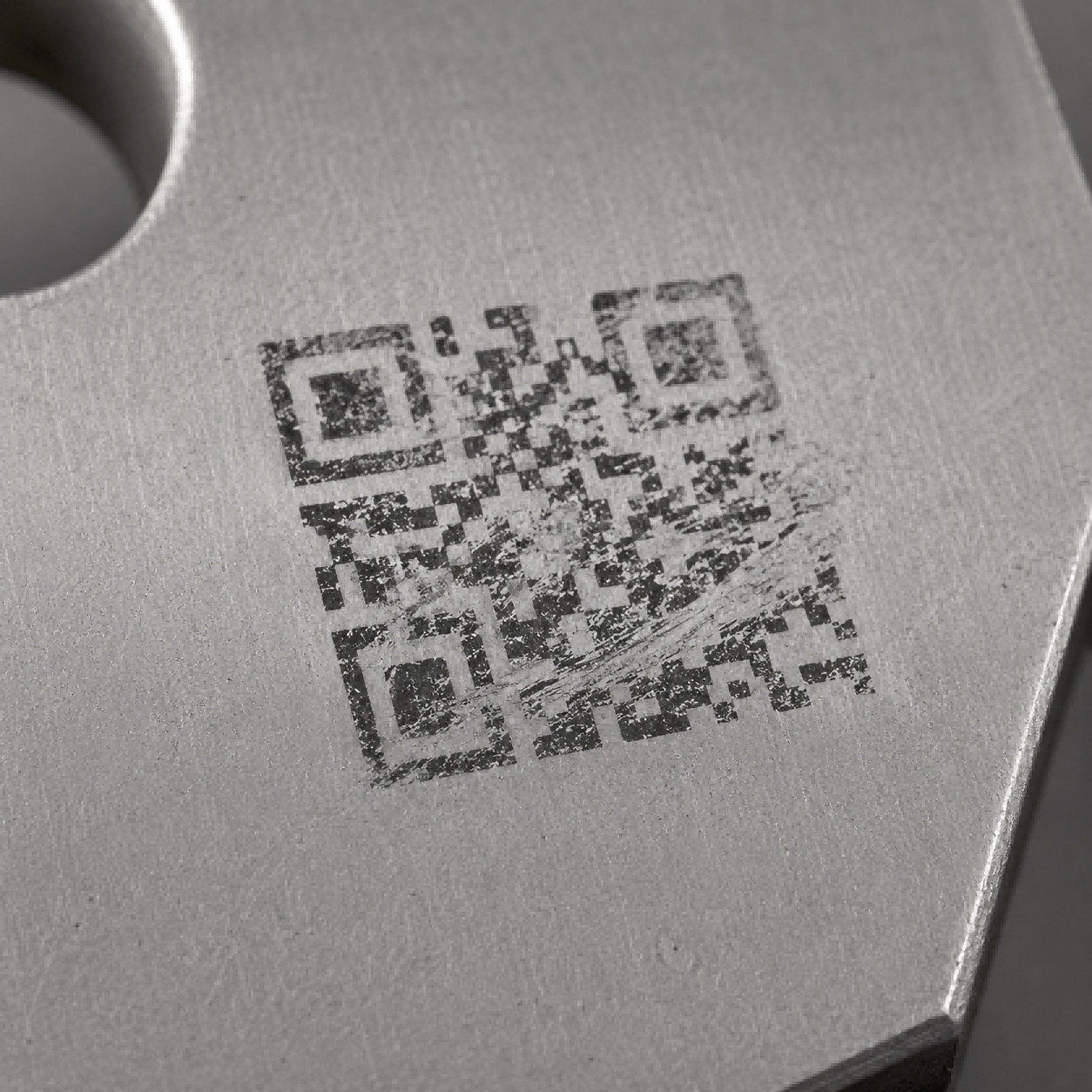
Why Scratched QR Codes Are Harder to Read
On an industrial production line, QR Codes rarely remain in perfect condition.
During assembly, transportation, or packaging, labels may be scratched by metal parts, tools, conveyors, or repeated handling.
Although the QR Code is still visible, read failures begin to increase.
Many manufacturers assume the label needs to be reprinted.
In reality, the scratch itself may be the real problem.
The Challenge: A Scratch Doesn't Need to Be Large
Not every scratch causes a barcode to fail.
Sometimes, a thin scratch crossing just a few critical areas of the QR Code is enough to reduce decoding reliability.
This becomes even more noticeable when products move quickly through an automated production line.
Unlike a person using a mobile phone, an industrial scanner has only a fraction of a second to capture a usable image.
If the scratch reduces image clarity during that moment, the scanner may need additional decoding attempts—or fail completely.
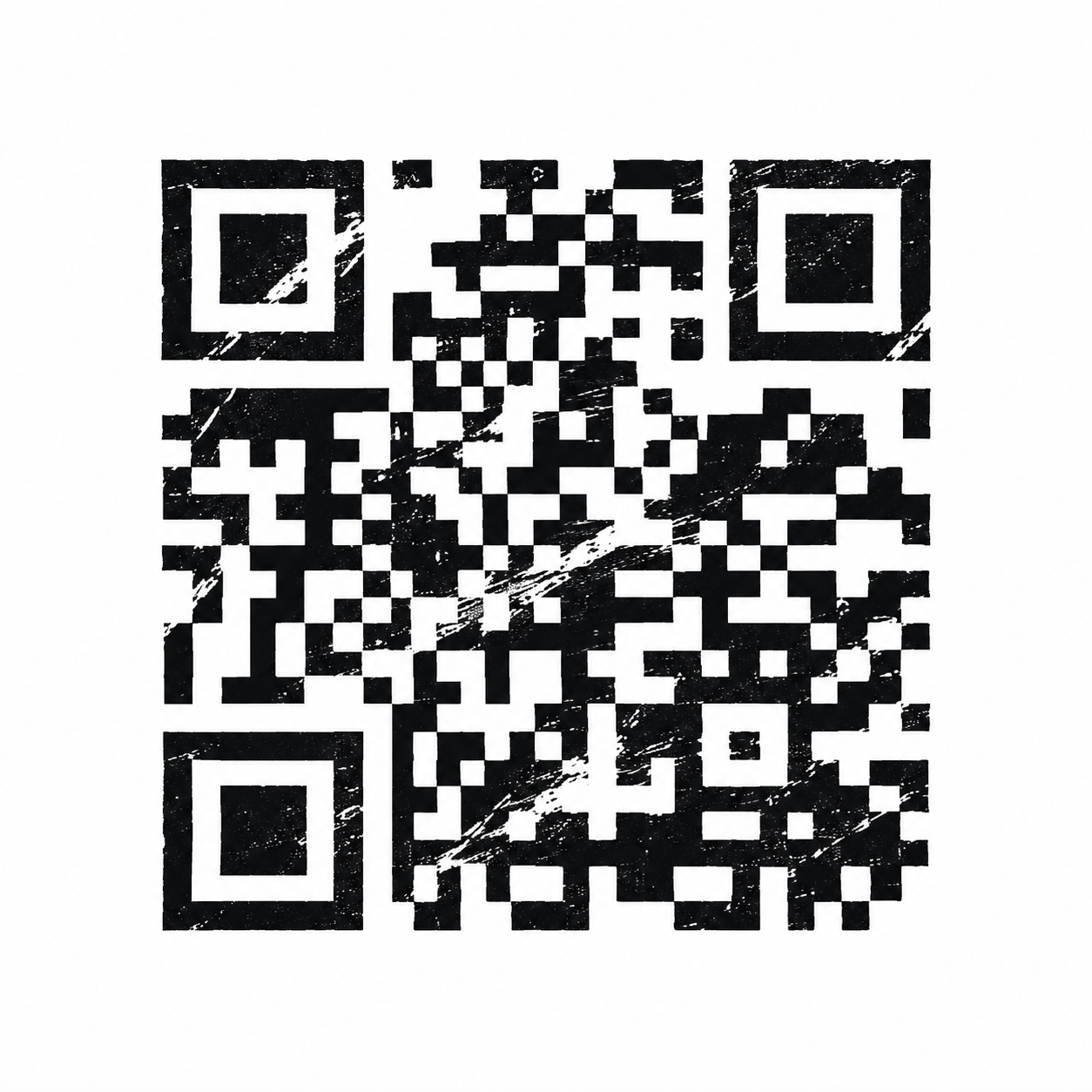
Engineering Considerations
If scratched labels are common in your production process, replacing the printer is not always the answer.
Instead, manufacturers should consider:
Protecting barcode labels from mechanical contact
Reducing scratches before the scanning station
Using high-resolution imaging to capture more barcode detail
Testing with real production labels rather than perfect samples
The earlier scratches appear in the production process, the greater their impact on overall scanning efficiency.
Recommended Barcode Scanner
For production lines where scratched QR Codes or Data Matrix symbols are unavoidable, the XTIOT XT8601B provides reliable industrial barcode reading.
Key advantages include:
High-resolution imaging for small and partially damaged barcodes
Reliable decoding of QR Codes, Data Matrix, and 1D barcodes
Designed for continuous, high-speed industrial operation
Industrial communication interfaces for automation equipment
Suitable for electronics manufacturing, medical devices, laboratory automation, and industrial traceability
When labels are exposed to scratches during normal production, improving image acquisition is often more effective than repeatedly replacing labels. The XT8601B helps manufacturers achieve higher first-pass read rates and reduce production interruptions.


